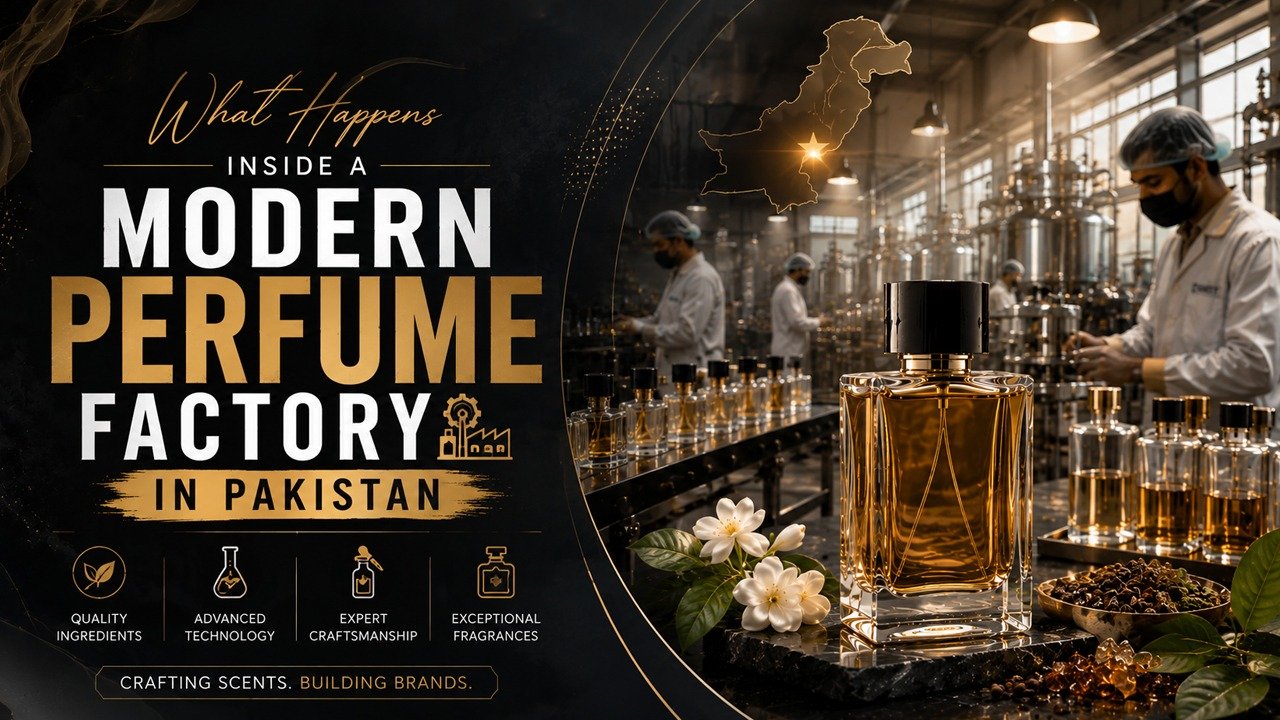
What Happens Inside a Modern Perfume Factory in Pakistan
Have you ever wondered how your favorite bottle of scent is made? Step inside a modern perfume factory Pakistan relies on to create beautiful, long-lasting fragrances. The air inside is sweet, warm, and full of rich rose, clean citrus, and woody oud notes. Every day, highly skilled teams mix local ingredients with global science.
It is a busy world where art meets machine. From sourcing natural flowers to packing shiny glass bottles, local brands now rival international names. Let us take a journey inside this aromatic world to see how liquid magic is bottled.
The Rising World of Pakistani Fragrances
The fragrance market in Pakistan is growing very fast. People love to smell great every day, whether they are going to work or attending a festive wedding. This high demand has forced the local industry to upgrade.
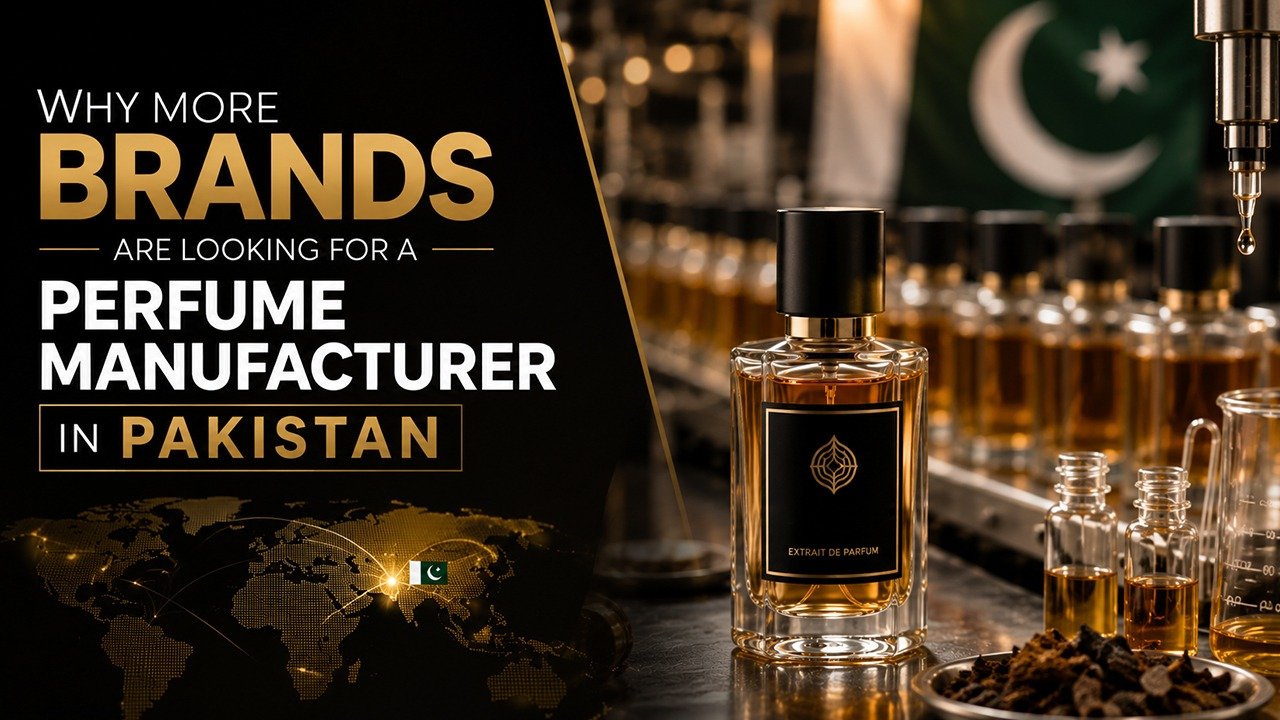
Today, a top perfume manufacturer in Pakistan does not use simple backyard mixing anymore. They use high-tech machines, clean rooms, and strict quality control. These factories produce thousands of bottles daily to meet the local hunger for top-tier scents.
Step 1: Choosing the Perfect Scent Ingredients
Every great perfume starts with a recipe. Perfumers create these recipes by mixing different raw materials.
- Natural Ingredients: Pakistan is famous for high-quality flowers. Factories use local jasmine (Chambeli) and red roses. They also import rich spices and heavy woods.
- Synthetic Aroma Chemicals: These are man-made scent molecules. They help the perfume last much longer on your skin and stay stable in hot weather.
The factory gets these ingredients from trusted perfume manufacturers in Pakistan and around the world. Every single batch of oil is tested in a laboratory before it goes to the mixing floor.
Step 2: The Art of Mixing and Blending
Once the ingredients are approved, the real manufacturing work begins. Large stainless steel tanks are used for this step. Workers carefully weigh the perfume oils. They mix them with pure, cosmetic-grade alcohol and a small amount of water.
The alcohol acts as a carrier. It helps spray the scent into the air and makes it dry quickly on your skin. At this stage, the liquid is not ready to sell yet. It needs time to mature.
Step 3: Aging and Maceration (The Waiting Game)
You cannot rush a good scent. After mixing, the liquid is stored in dark, cold rooms for several weeks. This waiting process is called maceration. During this time:
- The different scent elements bond together.
- The harsh smell of alcohol fades away.
- The blend becomes smooth and rich.
If you skip this step, the perfume will smell cheap and harsh. Leading perfume manufacturers invest in massive, temperature-controlled basements just to let their products age perfectly.
Step 4: Chilling and Filtration
After the aging is complete, the liquid must be made crystal clear. Sometimes, tiny particles of wax or plant matter remain in the oil. To fix this, the mixture is cooled down to very low temperatures (often near freezing).
The cold temperature causes the unwanted waxes to clump together. The liquid is then pushed through fine paper filters. This leaves behind a clear, glowing perfume liquid.
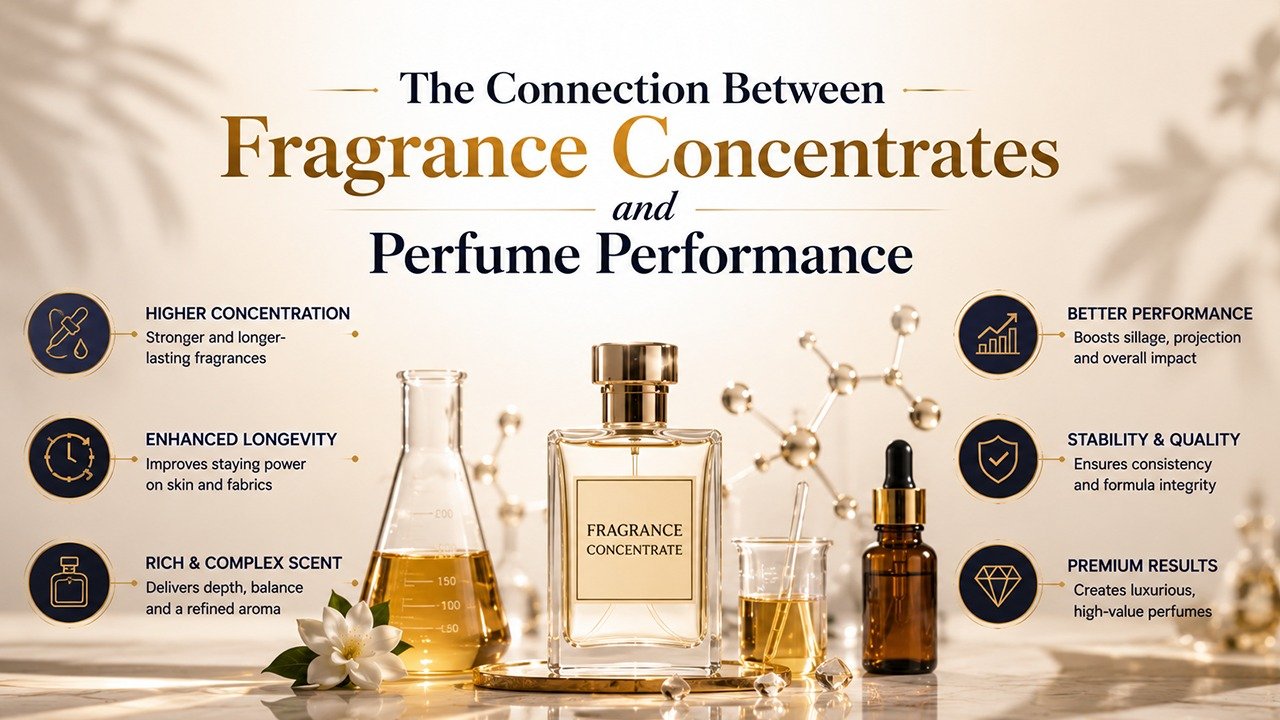
How Fragrance Concentration and Strengths Are Decided
Different people want their perfume to behave differently. Some want a very strong scent that stays all day, while others want a light spray for after a shower. Modern perfume companies in Pakistan adjust the strength of their products by changing how much pure oil is mixed with alcohol. Here is how factories classify their products based on oil strength:
1. Parfum (Extrait de Parfum)
This is the strongest type of perfume a factory can make. It contains 20% to 30% pure perfume oil.
- Longevity: It can last up to 8 hours or more.
- Best For: Heavy evening wear, formal winter events, or dry skin.
2. Eau de Parfum (EDP)
This is the most popular type of scent made in local factories. It contains 15% to 20% pure oil.
- Longevity: It lasts around 5 to 6 hours.
- Best For: Daily wear, office use, and hot Pakistani summers where you need a strong, reliable scent.
3. Eau de Toilette (EDT)
This is a lighter fragrance option with 5% to 15% oil concentration.
- Longevity: It usually lasts around 3 to 4 hours.
- Best For: Quick daytime trips, casual outings, or morning wear.
4. Eau de Cologne (EDC)
This is a very light splash style with only 2% to 4% oil concentration.
- Longevity: It lasts about 2 hours.
- Best For: A quick refresh after a workout or right before going to bed.
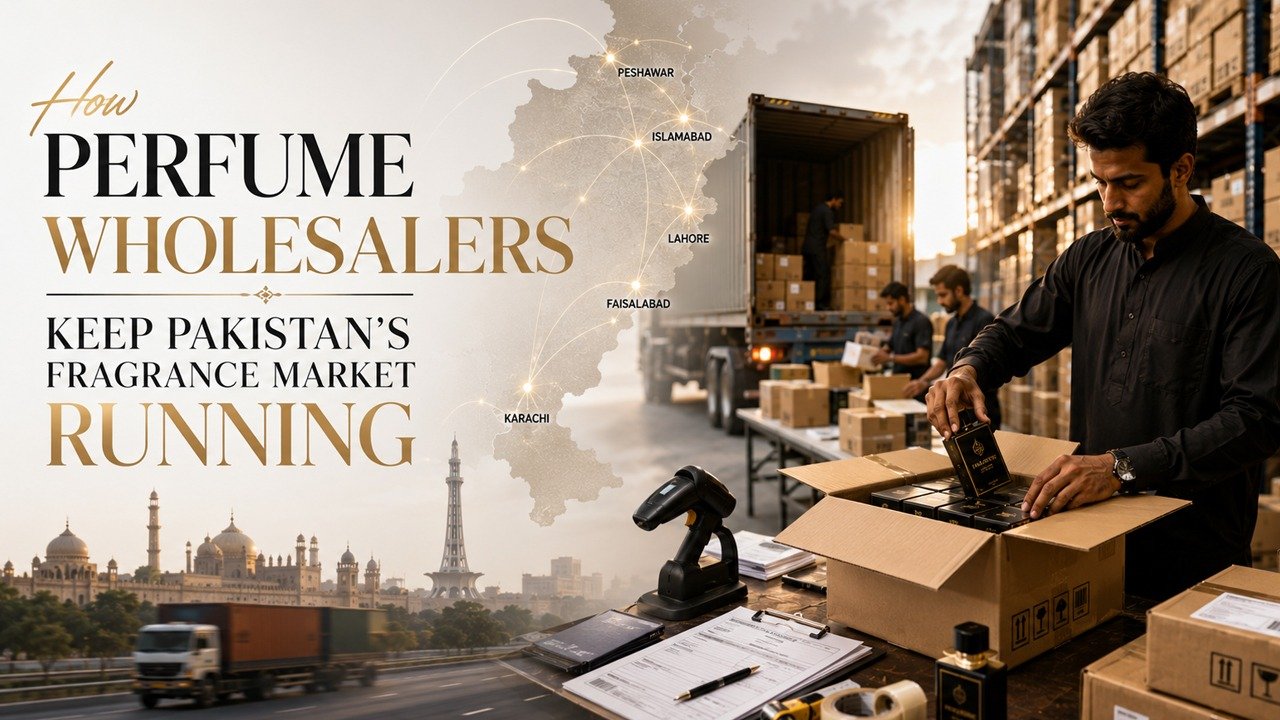
Step 5: High-Speed Bottling and Packaging
The final step is where the action gets incredibly fast. Bottles are washed, dried, and placed on a moving conveyor belt.
- Automatic Filling: Nozzles drop the exact milliliter of liquid into each glass bottle.
- Crimping: A machine tightly presses a metal pump onto the bottle neck. This prevents any leaks.
- Capping and Labeling: Robot arms place decorative caps on the bottles. Labels are glued on straight and clean.
- Box Wrapping: The bottles are put into thick protective boxes and wrapped in clear plastic to keep them safe during shipping.
Quality Testing and Lab Control
Before any box leaves the perfume factory Pakistan has trusted for years, it undergoes tough testing. Quality control teams check:
- Spray Performance: Does the pump spray a fine, even mist, or does it shoot a wet stream?
- Heat Stability: Will the bottle leak or spoil if left inside a hot car in Karachi or Lahore?
- Skin Safety: Every formula is dermatologically tested to ensure it does not cause skin rashes or allergies.
FAQs
How long does it take to make a batch of perfume?
It usually takes between 4 to 8 weeks. Most of this time is spent letting the mixture age in dark cooling tanks.
Why do some local perfumes fade away so quickly?
Cheap perfumes often contain very little pure oil and too much water or low-grade alcohol. High-quality manufacturers use more concentrated oils for better longevity.
Is Eau de Parfum (EDP) better than Eau de Toilette (EDT)?
It depends on your needs. EDP is stronger and lasts longer because it has more oil. EDT is lighter and usually costs less, making it great for short outings.
Are Pakistani flower extracts used in global perfumes?
Yes! Pakistan exports high-grade Jasmine absolute, which is used by famous international luxury brands.
Why is alcohol used in perfumes?
Alcohol dilutes the strong oils, helps spray the scent evenly, and evaporates quickly so your skin does not feel greasy.
Can heat spoil my perfume?
Yes. Exposure to direct sunlight and high heat breaks down the chemical bonds of fragrance oils, ruining the smell.
What is Oud?
Oud is a highly prized, rich, woody resin from the Aquilaria tree. It is extremely popular in Pakistani and Middle Eastern perfumery.
Is synthetic musk safe for the skin?
Yes, modern synthetic musks are heavily tested and are much safer and more sustainable than old animal-derived musks.
How do factories ensure every bottle smells the same?
They use computerized scaling systems to measure ingredients down to the milligram, ensuring perfect batch consistency.
Can I launch my own perfume brand in Pakistan?
Yes! Many factories offer private label services, meaning they will make, bottle, and package your custom scent for you.
Conclusion
Modern fragrance production combines advanced science, high-tech machinery, and premium ingredients to create long-lasting scents built for hot weather. Every step inside a modern perfume factory Pakistan relies on processes ranging from aging premium oils to high-speed bottling, ensuring international quality. Ready to find your perfect scent? Explore the luxury collections at Oud Al Meydan. If you are looking to launch your own custom fragrance brand, please reach out to Oud Al Meydan today to use our premium manufacturing services.
Latest Posts