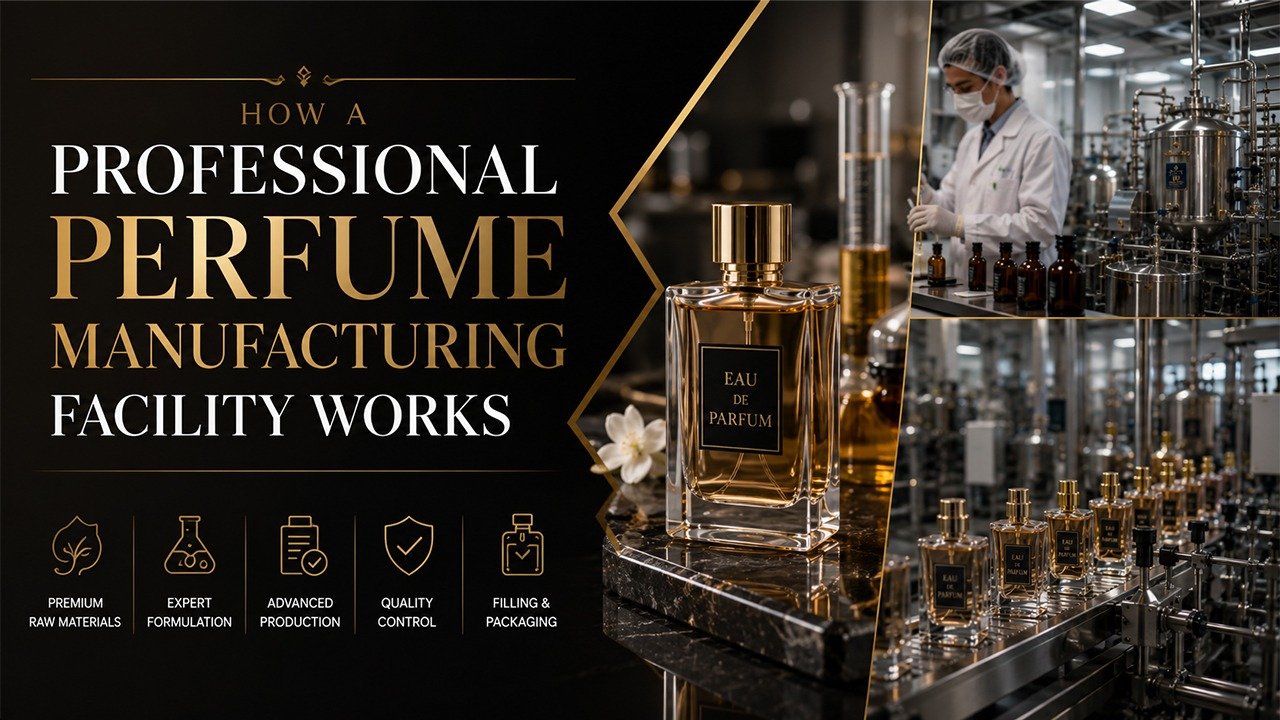
How a Professional Perfume Manufacturing Facility Works
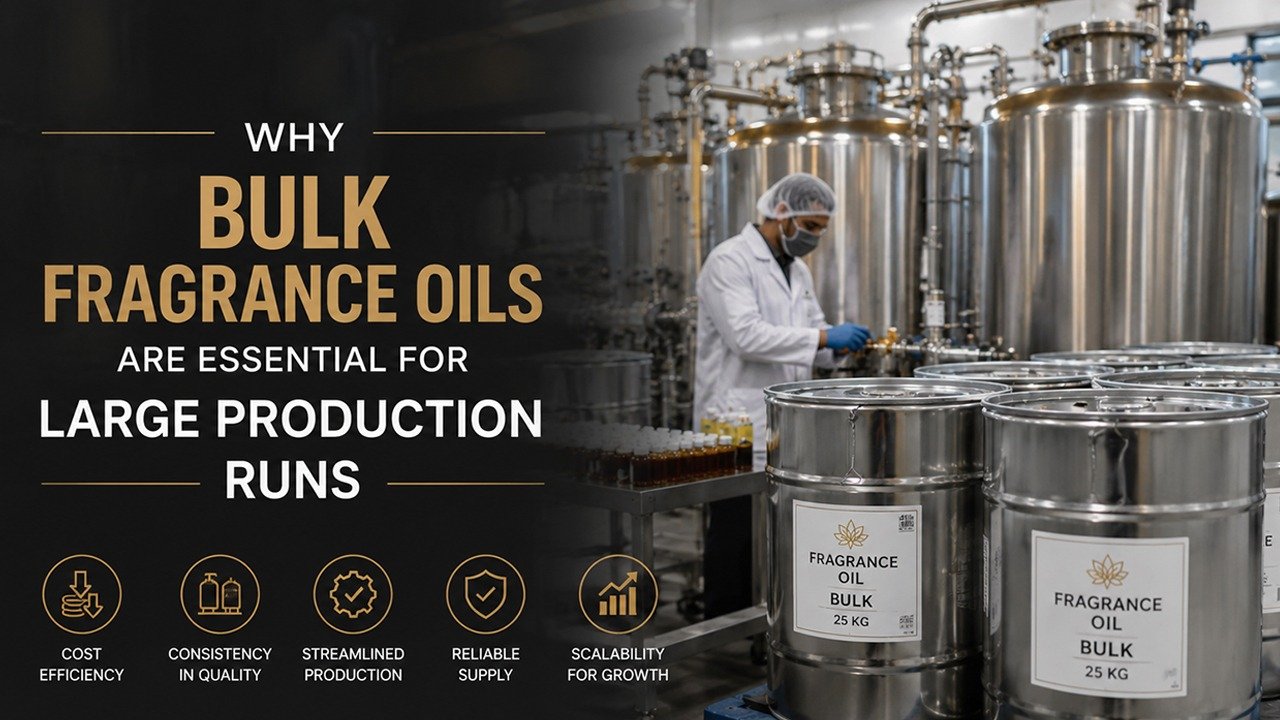
What if your favorite scent wasn’t just made but carefully built like a masterpiece? Inside a professional perfume manufacturing facility, every drop is the result of precision, creativity, and innovation. It all begins with selecting high-quality fragrance oils, followed by expert blending and controlled aging to develop depth.
Advanced equipment ensures perfect consistency, while trained perfumers fine-tune every note. Each fragrance goes through strict testing before reaching you. What feels like a simple luxury is actually a detailed process where science and art come together to create unforgettable scents that define personality and leave a lasting impression. In this guide, we will look inside the walls of perfume manufacturers to see how your favorite fragrances come to life.
Phase 1: Gathering the Ingredients
Everything starts with raw materials. A high-quality facility needs the best ingredients from around the world. These ingredients fall into two groups:
- Natural Ingredients: These come from nature. Examples include rose petals, jasmine, sandalwood, and citrus peels.
- Synthetic Ingredients: These are made in a lab. They help create smells that nature cannot provide, like the smell of fresh rain or sea breeze.
A perfume manufacturer in UAE often uses local treasures like Oud, Amber, and Musk. These ingredients are very strong and last a long time on the skin.
Phase 2: Extraction and Distillation
Once the ingredients arrive, the oils must be taken out. This is called "extraction." There are a few ways to do this:
- Steam Distillation: Hot steam passes through the plant material. The oil turns into gas and then cools down to become a liquid.
- Expression: This is used for citrus fruits. The peels are squeezed until the oil comes out.
- Solvent Extraction: Flowers are put into a special liquid that pulls the scent out.
This stage is very delicate. If the heat is too high, the smell of the flower might change.
Phase 3: The Art of Blending
This is where the Nose comes in. A Nose is a professional perfumer who can recognize thousands of smells. They follow a specific recipe to mix the oils.
The Fragrance Pyramid
Every perfume has three layers:
- Top Notes: The first smell you notice (e.g., lemon or mint). It fades quickly.
- Heart Notes: The main personality of the scent (e.g., rose or lavender).
- Base Notes: The smell that stays on your clothes all day (e.g., vanilla or cedarwood).
Many perfume manufacturers in Dubai focus on heavy base notes because people in the region love scents that stay strong in hot weather.
Phase 4: The Aging Process (Maceration)
After mixing the oils with alcohol and water, the perfume is not ready yet. Perfume manufacturers know it must sit in a dark, cool room for several weeks. This is called maceration.
During this time, the molecules bond together. It is like making a soup; the flavor gets better if it sits for a while. If you bottle it too fast, the scent might smell too much like alcohol.
Phase 5: Quality Control and Testing
Modern labs have very strict rules. Experts test the liquid to make sure it is safe for the skin. They check:
- Color: Does it look right?
- pH Levels: Is it gentle on the skin?
- Stability: Will the smell change if it gets hot?
Top perfume manufacturers in UAE use advanced technology to ensure every bottle smells the same as the one before it.
Phase 6: Bottling and Packaging
Once the perfume is mature, it is filtered to remove any tiny bits of dust. Then, the liquid moves to the bottling line.
- Filling: Machines fill thousands of bottles to the exact milliliter.
- Crimping: The spray pump is attached tightly, so no air gets in.
- Capping: The decorative cap is placed on top.
- Boxing: The bottles are put into beautiful boxes and wrapped in plastic.
The perfume manufacturing companies in UAE are famous for having some of the most luxurious packaging in the world, using gold colors and heavy glass.
Quick Manufacturing Comparison: Traditional vs. Modern UAE Facilities
Standard Feature | Traditional Methods | Modern UAE Manufacturers |
|---|---|---|
Blending Process | Hand-mixed in small jars | Automated stainless steel tanks |
Filtering | Basic cloth or paper filters | Multi-stage vacuum filtration |
Quality Control | Human smell test only | Gas Chromatography (GC-MS) labs |
Ingredients | Mostly local natural resins | Blend of global oils & synthetics |
Production Speed | Slow and manual | High-speed conveyor belts |
Why Choose Professional Manufacturers?
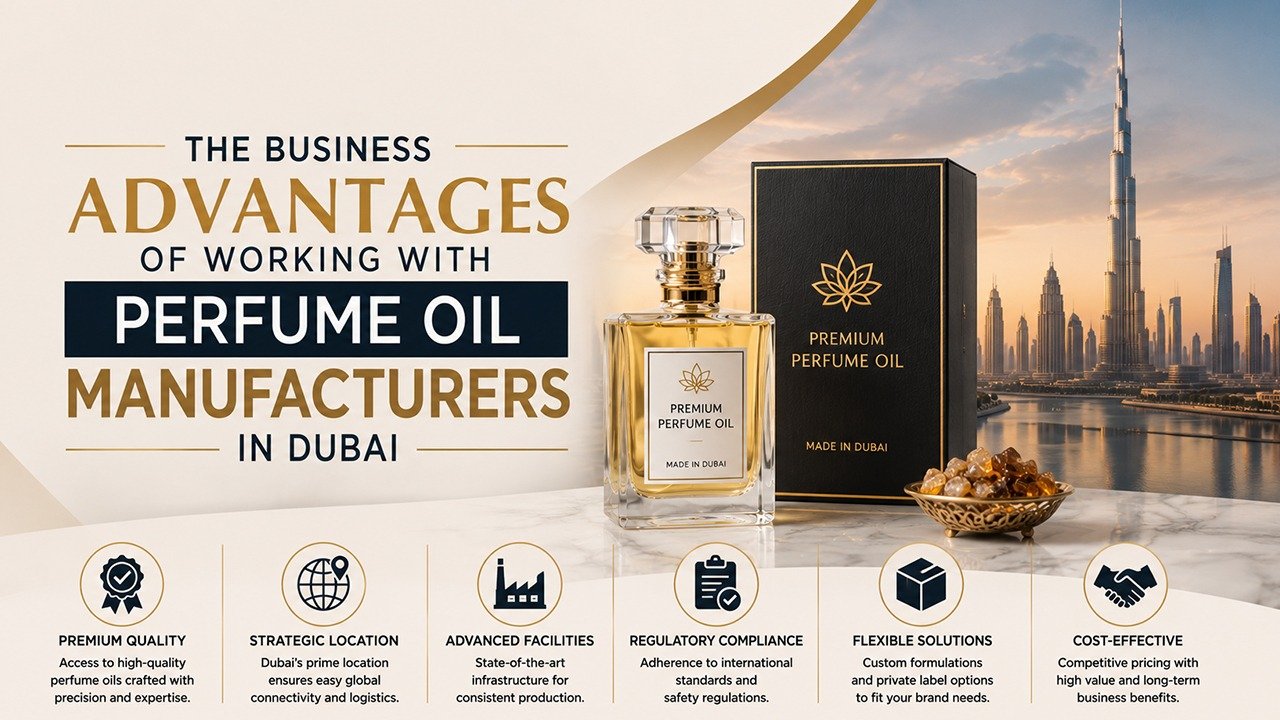
Working with established perfume manufacturing companies in Dubai ensures that the product is professional. Whether you want a fresh scent for the morning or a deep, woody scent for a night party, these facilities handle it all.
For those looking to start their own brand, these factories offer private label services. This means they make the perfume, and you put your name on it.
If you want to see high-quality finished products, explore our collection of premium fragrances.
FAQs
1. How long does it take to make a perfume?
It usually takes 3 to 6 months. This includes the time for creating the recipe and the weeks needed for the scent to age.
2. Why does my perfume smell different after an hour?
This is because of the notes. The top notes evaporate first, leaving the heart and base notes behind.
3. What is the difference between Parfum and Eau de Toilette?
It is about the concentration of oil. Parfum has the most oil (20-30%) and lasts the longest. Eau de Toilette has less (5-15%).
4. How should I store my perfume?
Keep it in a cool, dark place. Sunlight and heat can break down the chemicals and ruin the smell.
5. Are synthetic smells bad for you?
No. In fact, some synthetic smells are safer than natural ones because they are tested for allergies in a lab.
6. What is Oud?
Oud is a very expensive oil from the heart of the agarwood tree. It is very popular in the Middle East.
7. Can I mix two perfumes together?
Yes! This is called layering. It helps you create a unique scent that no one else has.
8. Does perfume expire?
Most perfumes last 3 to 5 years. If it starts to smell sour or looks dark, it might have expired.
9. Why is some perfume very expensive?
The price depends on the cost of ingredients (like rare flowers) and the time spent on the design and aging.
10. Do manufacturers test on animals?
Most modern facilities now use alternative testing methods to ensure products are cruelty-free.
Conclusion
The journey from a flower field to a glass bottle is a long one. It requires the skill of expert chemists and the vision of artists. By following strict steps, perfume manufacturers ensure that every spray delivers a beautiful and lasting experience.
If you are interested in high-quality scents or starting your own fragrance line, please get in touch with our team at Oud Al Meydan. Connect with the experts at Oud Al Meydan for all your fragrance needs.
Latest Posts