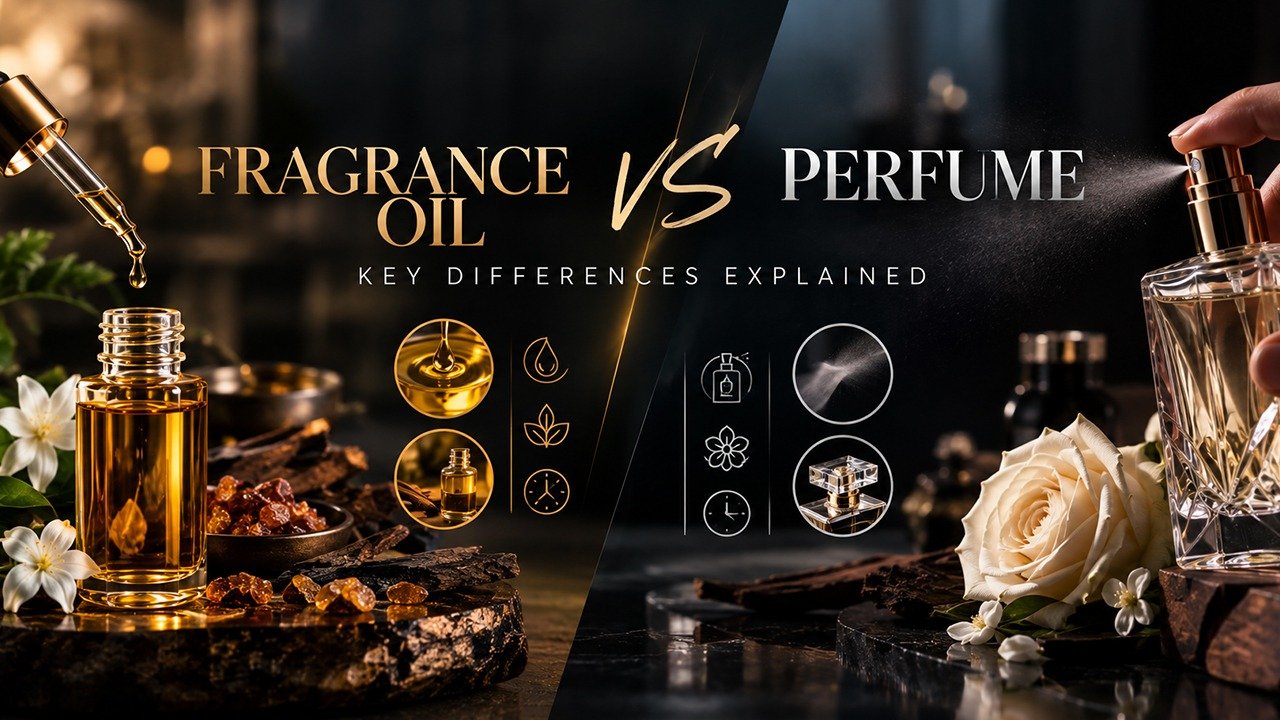
Fragrance Oil vs Perfume: Key Differences Explained
Many people see a nice-smelling oil and assume they can apply it directly to the skin. This is not always true. The main difference depends on what the product was made for. A fragrance oil may be designed for candles, soaps, diffusers, or other scented products rather than personal use. On the other hand, perfume is created specifically to be worn on the body. Knowing this difference can help you choose a scent that smells good and suits its intended purpose.
What Makes Fragrance Oil Different From Perfume?
The biggest difference is not simply how strong the scent is. It is the product's purpose and formula. Perfume is usually made as a finished personal fragrance. Its ingredients are selected and mixed for use on the skin according to the product's intended application. Fragrance oils can have many purposes. Some are created for:
- Candles
- Soaps
- Lotions
- Diffusers
- Room sprays
- Other scented products
Two oils may smell similar but have different uses. For example, a candle-making oil may smell like rose but may not be suitable for skin use. Always check the supplier's instructions first.
When Can a Scented Oil Be Worn on the Skin?
A scented oil can be worn when it has been made and sold for personal or cosmetic use. The label and product information should clearly explain its intended use. If the product is described as suitable for skin application, follow the directions provided by the manufacturer.
This is where a perfume oil is different from a general-purpose scent ingredient. It is normally sold as a finished fragrance product or as part of a formula designed for personal fragrance use. A simple rule can help:
Do not judge an oil by its smell alone. Judge it by its intended use.
A sweet vanilla oil made for a diffuser and a vanilla scent made for the skin may smell similar at first. However, their formulas and recommended uses can be different.
How the Formula Changes the Way a Scent Performs
Perfume and scented oils can perform differently on the skin. Spray perfumes often change over time, moving from fresh top notes to softer middle and deeper base notes.
Oil-based scents may stay closer to the skin and release their smell more slowly. For example, a citrus spray may project quickly, while a similar oil-based scent can feel softer and more personal. The best choice depends on how and where you want to wear it.
Why Concentration Is Not the Only Thing That Matters
People often think a stronger smell means a better perfume. This is not always true. A scent can smell very strong when you first open the bottle but disappear quickly after application. Another scent may seem light at first but remain noticeable for many hours. Performance can depend on several factors, including:
- The ingredients used
- The type of carrier
- The concentration
- Your skin
- The weather
- How much product you apply
Hot weather can also change how quickly a scent spreads. A heavy fragrance may feel much stronger outdoors on a warm day than it does in an air-conditioned room. This is why testing a fragrance in your normal environment can be more useful than judging it from one quick smell.
What Should You Check Before Using Fragrance Oil as Perfume?
Before applying any scented product to your skin, check its label and supplier information. Look for clear details about:
- Intended use
- Skin application instructions
- Dilution requirements
- Safety warnings
- Ingredients or product documentation where available
If an oil is sold as a raw material for manufacturing, it may need to be diluted or used within a finished formula. It should not automatically be treated as a ready-to-wear perfume. This small check can prevent a common mistake: buying a scent because you love its smell without checking what the product was actually designed to do.
How Perfume Oils Create a Different Wearing Experience
Perfume oils are often chosen by people who want a scent that feels closer and more personal. Instead of creating a large scent cloud, an oil-based fragrance may stay nearer to the skin. This can make it useful for:
- Office wear
- Daily use
- Small gatherings
- Travel
- People who prefer softer projection
For example, someone may choose a fresh unisex oil for work during the day and a deeper oud-based scent for an evening event. The best choice also depends on personal style. Some people want others to notice their fragrance from several feet away. Others prefer a scent that is discovered only during a close conversation.
How Fragrance Oils Are Used in the Scent Industry
Not every scented oil is sold directly to the final customer. Many are used as ingredients during product development. Manufacturers may use different fragrance materials to create:
- Personal perfumes
- Body products
- Home scents
- Soaps
- Candles
This is also why the name on a bottle can sometimes be confusing. A product called an oil may be a raw fragrance material, while another oil may be a finished personal scent. For businesses in the growing Pakistan fragrance oil market, understanding this difference is important. A company creating a personal fragrance should select materials that match the final product's purpose rather than choosing an ingredient based only on its scent.
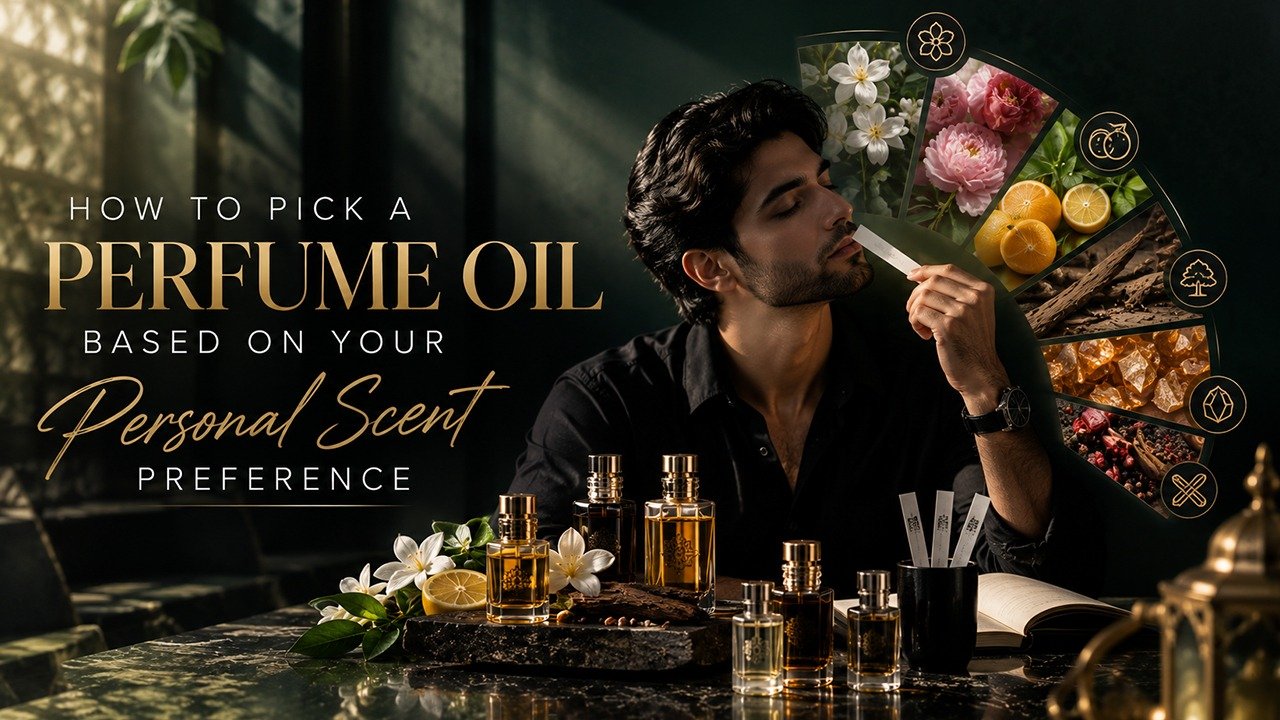
What Is the Best Choice for Men, Women, and Unisex Wear?
There is no strict rule that says one type of fragrance is only for men or women. The final scent profile matters more. For example:
- Fresh and citrus scents can work well for daytime and unisex wear.
- Floral and powdery scents may suit people who prefer a soft style.
- Woody and oud scents can create a deeper evening feel.
- Musk scents can work for daily use and many different preferences.
Instead of choosing a fragrance based only on a gender label, think about when you plan to wear it. A light scent may suit work or daytime activities. A richer scent may feel more suitable for dinner, events, or cooler evenings.
How to Choose the Right Product for Your Purpose
Start by asking: Where will you use it? Choose a skin-safe product for personal wear and the right material for candles or soaps. For a fragrance business, also consider your product type, packaging, and target customer. Oud Al Meydan offers fragrance and private label solutions for different business needs.
Frequently Asked Questions
1. Can fragrance oil be used directly as perfume?
Only if the product is specifically made and labelled for safe personal or skin use. Always follow the manufacturer's instructions.
2. Do perfume oils last longer than spray perfumes?
It depends on the formula, ingredients, skin, and environment. Oil-based scents may release their fragrance more slowly, but longevity can vary.
3. Are fragrance oils stronger than perfumes?
Not always. A stronger opening scent does not always mean the product will last longer or project further.
4. Can I use fragrance oil to make my own perfume?
Yes, but the material should be appropriate for personal fragrance use and used according to the supplier's instructions and formulation requirements.
5. What type of scent is best for daily use?
Fresh citrus, light musk, soft floral, and gentle woody scents can work well for daily wear. The best choice depends on your preference and environment.
6. How can I tell if an oil is made for skin use?
Check the product label, instructions, safety information, and supplier documentation. Do not rely only on the product name.
Conclusion
Not every scented oil is made to be worn as perfume. Before using fragrance oil, check whether it is designed for skin application and follow the supplier's instructions. Choose a ready-to-wear product for personal use, and explore Oud Al Meydan's fragrance range or private label solutions for your brand.
Latest Posts